No products in the cart.
 Reviews 5 / 5

Carp bait attractants are a crucial component for catching carp. With us, you will find a selection of the best and most unique attractants available on the market today.
Our attractants are carefully selected based on quality and effectiveness so that you are assured of the best performance.
Showing all 13 results
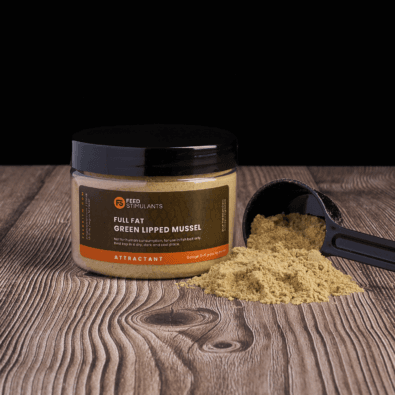
Carp attractants are ingredients added to bait to increase its appeal, improving the likelihood of drawing carp to your fishing area. These attractants can be either natural or synthetic, primarily targeting the carp’s senses of taste and smell. The attractants in our range are formulated to enhance the scent and flavor of your bait, making it more noticeable and appealing to carp.
Carp bait additives play a key role in increasing the effectiveness of your bait. They can modify various aspects of the bait, such as taste, smell, color, and even nutritional content, enhancing its overall appeal. These additives improve the sensory characteristics of your bait, which can make it more attractive to carp and increase the chances of a successful catch.
One of the main advantages of using these additives is the ability to customize your bait to specific fishing conditions. Whether you’re fishing in varying water temperatures, heavily fished waters, or targeting certain carp behaviors, bait additives allow you to adjust and optimize your approach. Experimenting with different combinations of additives helps tailor your bait to match the preferences of the carp in your area, whether you’re aiming to catch larger fish or increase your overall catch rate.
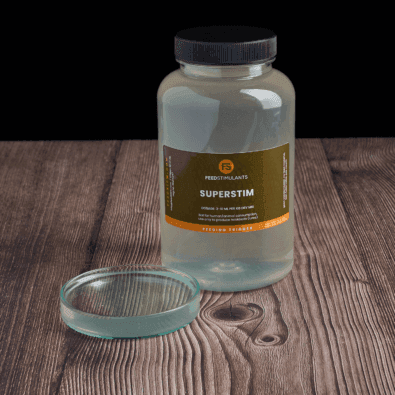
Feeding triggers are natural substances that make carp want to eat. They don’t just attract fish, they activate carp’s taste and smell systems, prompting real feeding. Common triggers include free amino acids, betaine, nucleotides and organic acids, all of which carp recognise from natural food.
Once released into the water, these signals quickly reach the carp and encourage confident, repeated feeding. The result is more takes, longer feeding spells, and a real edge in tough conditions such as cold water or heavily pressured lakes.